
Homer Skelton Ford of Millington

Blog / Millington Ford Service

Blog

All Millington Ford Service Millington Ford Dealer Homer Skelton Millington Ford Service Millington Used Cars

Preventative Car Maintenance: Why It Matters and What You Need to Do

The average American spent an increased 12% of their time in their car per week year-over-year. We now spend almost 11 hours driving every week. With all that time behind the wheel, you'll want to make sure your car is working properly. Otherwise, issues could lead to a car accident or expensive repairs. Instead, you can use preventative car maintenance to extend your car's lifespan. Not sure where to start? Here are the nine preventative maintenance tips you need to keep your car in the best possible shape. The next time you have a long drive ahead, you'll have peace of mind that your car is safe to drive. Avoid breaking down, stress, and costly repairs. Keep your car running smoothly with these easy tips today! Why It Matters It's not enough to keep your car in the best possible shape. It's also important to know why prioritizing your car maintenance is essential. Otherwise, you might see every car maintenance cost as a burden. You could skip essential repairs that are necessary to keep your car in the best possible condition. Convenience How often do you get behind the wheel? How far does your car carry you during any given drive? You're probably not the only person in your household who depends on your car. If you have kids, you'll need to get them to school or extracurricular functions. There are also doctor's appointments, dentist appointments, and other events to consider. How often do you go grocery shopping? What if there's an emergency and you need to get behind the wheel right away? Think about your commute to work, too. About 88% of people above the age of 15 are drivers. Over 90% of Americans rely on their personal cars to get to work. If your car breaks down unexpectedly, it could make life difficult. Save Money Your car is also a lifetime investment. You don't want the money you put into your car to go to waste if it breaks down. By maintaining a regular car maintenance schedule, you can get the most out of your investment without worry. It's cheaper to make small repairs on a schedule than to make huge, expensive repairs (like a new engine). With regular maintenance checks, you can avoid future repairs and save money in the process! Improved Fuel Mileage When was the last time you changed your motor oil or air filters? Neglecting your car could impact your car's gas mileage. Over time, your car's engine will experience wear and tear, too. Scheduling a routine oil change every 3,000 miles and full suspension maintenance every 15,000 can ensure your car is working properly. By improving your car's optimal fuel efficiency, you're saving money! Now that you understand why preventative car maintenance is essential, let's discuss a few ways you can extend your car's lifespan. Easy Maintenance Tips Don't wait until your car breaks down. Instead, take your car to a professional to make sure everything is in working order on a schedule. Here are a few easy maintenance checks you can request regularly to ensure your ride is running smoothly. Power On Have you ever left your lights on overnight, only for your car to refuse to turn on in the morning? Maybe an old battery let you down. Either way, you're not alone. Over 40% of car owners have reported battery failure year-over-year. Consider getting your battery replaced every 5 years. After all, you don't want to find yourself stranded on a dark light without a working battery. Make sure to check your lights as well. It's difficult enough to navigate in the dark. What if you're on a winding road or a storm hits? You'll want to make sure every light bulb is working properly. Have someone help you check your brake lights as well. Otherwise, inoperable lights could lead to an accident. You could get a ticket as well. Oil Change Changing your oil regularly will ensure your engine is working in the best possible condition. You might need to get your oil changed more often if you drive more often, though. Before changing the oil on your own, drain the fluid. Safely discard the old oil as well. If you decide to change the oil alone, make sure to determine what type of motor oil your car needs. You'll also need to look at your car's mileage before choosing between synthetic and non-synthetic oil. Review the oil's viscosity as well. Otherwise, using the wrong oil for your car can have dangerous consequences. Add changing your oil to your car maintenance schedule every 10,000 miles. Otherwise, check your car's manual. Breathe In Remember, a dirty engine air filter can cause damage to your car's engine. When the filter is dirty, tiny particles can reach your engine, causing damage. Your car's efficiency levels could drop as a result. Take the time to check your engine air filter at least once a year. Otherwise, you might have to make expensive repairs to your engine down the road. Check the Pressure Your car's tires experience wear and tear every time you hit the road. Neglecting your car's tire pressure can have a negative effect on your gas mileage. To keep your tires on track, you'll need to make sure your tire pressure is at the recommended level. You can check your car manual to determine the proper PSI. Have you ever hit the road, only to end up with a flat tire before reaching your destination? A flat could cause an accident, causing you to veer off. Thankfully, you can use preventative maintenance to avoid a blowout. First, make sure to check your tire pressure on schedule. Next, look for tire recalls and sure you have the best tires for your vehicle. Otherwise, make sure to rotate your tires every 10,000 miles. Rotating your tires will keep their wear and tear even. Check the Fluids Reviewing your fluid levels is an important step in your preventative maintenance car check as well. When the fluids aren't at the right levels, it could impact your car's functionality and efficiency. Your car might not drive properly, either. These fluids include your: Coolant Engine oil Brake fluid Power steering fluid Transmission fluid Is something leaking from your car? Take it to a professional right away. Belts and Hoses Out of sight, out of mind, right? Unfortunately, many of your car's parts are out of sight. You might not realize your car needs repairs if you fail to schedule regular maintenance. For example, when was the last time you looked at your car's belts and hoses? Belts wear down over time. If yours is worn, it's important to have a belt replaced right away. Certain systems could begin to fail while you're on the road otherwise. Having the belts and hoses replaced when needed can help you avoid breaking down on the side of the road. Wiper Replacements Do you live in an area that's prone to heavy storms? You never know when one might hit. If your windshield wipers aren't working properly, you could feel blind on the road. Check your windshield wipers regularly to make sure they're functioning properly. If a big storm is about to roll in, check them again (especially during hurricane season). You never know when you might need to evacuate. Otherwise, heavy rain or a snowstorm could impact your visibility on the road. You could get into an accident, which could lead to costly repairs. Wash Up When was the last time you spoiled your car with a thorough clean? You might not realize it, but washing your car is an important maintenance service, too. Over time, your car comes into contact with tree sap, pollen, bugs, and other elements. Whether it's on the road or sitting in your driveway, these elements can cause damage. Your undercarriage and paint could suffer. Don't let the weather outside impact the state and value of your car. Instead, make it part of your routine to wash your car regularly. Washing your car will make sure it's always looking its best. Better yet, it can help you avoid long-term damage as well. Check the Brakes Pay attention to the sounds your car makes during a drive. If it's shuddering and vibrating or your brake pedal feels strange beneath your foot, pull over right away. You might want to have an expert check your car as soon as possible. It's important to make sure your brakes are working properly every time you're on the road. Schedule your brake pads checked during your oil level checks. These tips will give you peace of mind each time you're on the road. Keep Driving Forward: 9 Tips for Ongoing Preventative Car Maintenance Don't hit the road in a worn-out vehicle. Instead, use these ongoing preventative car maintenance tips to make sure your car is in its best shape. With these tips, you can feel safe each time you hit the road. You'll end up extending your car's lifespan, too! Want to keep your car functioning at its best? We can help. Schedule a service with our team today!
Keep It Clean: Vehicle Interior Preservation Hacks

Owning a car requires a lot of maintenance, but sometimes, the interior of your vehicle can be overlooked. If you want to keep a clean and beautiful vehicle interior, there are a few crucial things you can do to make the inside of your car shine. Read on for a list of some vehicle interior detailing hacks that will keep your cabin looking sharp and squeaky clean. Make Sure You Have the Right Cleaning Tools Just like your home, you'll need to have a few cleaning essentials to maintain your car and ensure that your vehicle interior looks its best. A small vacuum cleaner makes it easy to vacuum up crumbs and other debris in a pinch. Choose a vacuum cleaner with an extension hose and handheld attachments so you can get into the cracks and crevices inside your car. You can also purchase a small vacuum cleaner made just for cars that can be powered or recharged using the lighter for quick clean-ups. Make sure you have a few cleaning products made just for cars that will refresh and renew your dashboard and trim. Look for products specifically made for your car, whether it's for leather, vinyl, or plastic. You'll also want to get something to clean the floorboards and upholstery. Terry cloth towels and lint-free, microfiber rags are great for doing some interior cleaning. You can also use old, ripped up t-shirts as long as they're made from 100% cotton. To get dust from air vents and crevices, use a variety of brushes so you can easily get into those areas that are tough to reach. A stiff-bristled brush and a sponge are also helpful tools that will make detailing the inside of your vehicle much easier. Make sure that any cleaning products you use are designed for a vehicle so you don't accidentally cause discoloroation or damage. When in doubt, test the product on a small, inconspicuous area first. Clean Your Carpets and Floor Mats Whether it's spilled coffee or crumbs from your breakfast muffin, it's important to make sure that the floor mats and carpeting is cleani in your vehicle. Start by removing all of your floor mats, then shake any dirt and debris loose so it's not stuck inside the grooves of the rubber or plastic. You can remove any stubborn, leftover "gunk" by loosening it with a stiff brush. A hose nozzle on your vacuum cleaner can also be helpful to get rid of that grime that tends to get stuck deep inside the grooves of floor mats. Use the jet setting on your garden hose to rinse the floor mats clean, then air dry them before putting them back in the car. To clean the carpets, start by vacuuming them using the brush attachment, and use various sized nozzles to vacuum tight areas around the seats and sides. If your car's carpet is extremely dirty, you can use a steam cleaner to remove stubborn marks and stains. Carpet cleaning foam is a good choice to get rid of those nasty stains that don't seem to go away. It can also make the interior of your vehicle smell fresh and clean. You might need to use a little bit of elbow grease and a medium-stuff brush to scrub out stains on the carpet if they've been there a while. Just make sure that you finish by using some warm water and a rag to get rid of leftover cleaning solution residue. Ensure that your carpets are completely dry, or else mold and mildew could start to form. If you discover some chewing gum in your carpet, rub it with an ice cube for a few minutes. Once the gum feels stiff, gently pull it from the carpet and toss it out. Clean the Seats of Your Vehicle Interior Whether your car is used or new, the seats should be kept as clean as possible. Most cars either have leather, cloth, or vinyl upholstery on the seats. To keep them clean, it's important to use the right products and processes depending on which type you have. Look for a high-quality leather cleaning product for your seats. Start by applying it directly to the seats, then work it into the leather with a soft towel. Dry the seats with a microfiber cloth when you're done. A leather conditioner will re-moisten your seats and keep them looking new. These products prevent your seats from cracking and becoming discolored or brittle, so reapply the conditioner as recommended by the manufacturer for the best results. Vinyl seats are easy to clean with a few simple products. Spray your vinyl seats with a cleaning solution, then wipe them with a soft rag to remove any dirt or grime. Use a second clean cloth to dry the seats, and allow your vehicle to sit for an hour or two before driving. A general upholstery cleaner should work well if you have cloth seats in your vehicle. If there are any large or stubborn stains, use a fabric spot remover to scrub them out. An odor elimination spray is great to use on cloth seats, since they can help keep your car's upholstery smelling fresh. Always make sure that cloth seats are completely dry, or else they could end up harboring mold and mildew that can give your vehicle a musty smell. Keep Those Mirrors and Windows Clean Your windows and mirrors need to be clean not just for looks, but also for safe driving. A basic glass cleaner and a microfiber cloth are great tools to have handy for quick car interior cleaning. Be very careful if you have tinted windows, as some cleaning products can damage the tinted layer. Stay away from anything that contains ammonia, as this could damage your tinted windows and cost you a lot of money in the long run. Spray your glass cleaner onto the cloth rather than the glass to keep streaks to a minimum. This will also prevent the glass cleaner from spraying onto other surfaces where it shouldn't go. Don't forget to wipe down the area along the top edge of your windows, which is an area that often gets overlooked. Roll the windows down halfway, then wipe this section clean to get rid of that extra dirt and grime. Wipe all of the glass surfaces om your car horizontally on the outside, and vertically on the inside. This will help you identify which side of the glass has any streaks that are left behind. When cleaning your windows and mirrors, don't forget the rearview mirror, too. It's All About That Dash The dashboard and console are the areas you see the most, and they're also the areas where dirt and grime tends to be the worst. From knobs and switches to vents, it's crucial to keep this part of your car clean to preserve the interior. Remove any dust on your console and dashboard before you apply cleaning products. When you're finished cleaning, apply a special interior dressing that will condition your dash and protect it from cracking or fading due to sunlight exposure. The tiny cracks and crevices on a car's console is a tough part to clean. To make things easier, wrap a soft, line-free cloth around the tip of a medium to large-size flathead screwdriver. Gently push the screwdriver into the cracks to wipe dirt and dust away. A small vacuum cleaner can be great to remove crumbs and dirt from the crevices in your dashboard and console. Do this weekly, and your car's interior will always look its best. Wipe the heat and A/C vents in your car clean using a soft, long-bristled brush. You can also use a can of compressed air to get rid of anything that's leftover inside your vents for a quick, easy cleaning. Make sure you don't leave the canned air inside your car or else it could burst accidentally. Basic Vehicle Interior Cleaning Tips When it comes to preserving your car's interior, there are a few basic rules of thumb to keep in mind. First, utilize a small portable vacuum cleaner to get rid of crumbs and debris on a regular basis so that deep cleaning is easier. Always use cleaning products that are specifically made for cars. Glass and carpet cleaning products are an exception, as these materials are basically the same as the ones in your home. Condition your leather seats regularly to keep them soft, supple, and looking new. Every time you get out of your vehicle, take your trash with you. Leftover fast food can leave a really unpleasant smell behind if it sits inside your car. Wipe down your dashboard on a regular basis to protect it from the sun. Direct sunlight can cause the dashboard to crack or fade over time. Say Hello to a Clean Car It's easy to keep your vehicle interior fresh and clean using these simple tips. With regular cleaning, your car can look new, and stay that way for years to come. Always get rid of dirt and grime as soon as possible to preserve the upholstery, floors, and dashboard of your car to protect it from damage. If you're in the market for a new vehicle, visit our website and contact us today!

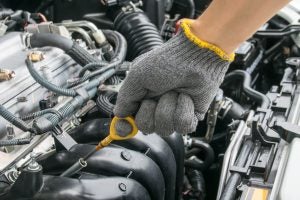
check the oil level in car engine

Don't Stall: 8 Crucial Car Maintenance Tips for Fall

Before fall sets in, you should prepare your car for the change in weather. Check out these car maintenance tips to keep your ride smooth and comfortable. Keyword(s): car maintenance tips More than 7.9% of car owners report that they regularly avoid performing routine maintenance on their cars. Some do this because of the hassle and time required, while others make this decision based on money. Whatever the reason is, putting off car maintenance can lead to serious problems and cost you way more in the long run. The changing seasons are a great time to tune-up your car and make sure everything is running correctly. Follow these simple car maintenance tips to get you through the new season! Upgrade Tires for Weather As the weather changes and the driving conditions worsen, tire stores get busier and busier helping people change out their tires. Upgrading your tires should be on the top of your fall car maintenance checklist in order to beat the rush and get what you're looking for. Most professionals advise car owners to have snow tires installed to guarantee the right amount of traction. It's important to work with the tire professionals who know your area and its climate to make the right choice of tire for your car. Even if you're not in the market to put new tires on your vehicle, it's important to get your current tires checked out. The difference in temperature can have a significant effect on air pressure. Having the correct amount of air pressure in your tires is crucial to having the best performance out of them. Get your tires checked, filled, and ready to go before the weather really gets cold and the tire shops fill up! Charge Heater There's nothing worse than getting in your car on that first, unexpected cold morning only to realize that your heater isn't working right. Whether your car won't heat up at all or it takes a long time to get warm, you should do something about that before your morning commute requires a full winter getup. Your car's heater should only take a few minutes to be fully running. In most cases, when a heater isn't working properly its because of the thermostat. It can get stuck or stop working, replacing it will solve both of those issues. Occasionally, the coolant level is low and that can affect the way the system produces hot air as well. Filling it up is an easy, quick fix to get your heater running at full capacity. It's helpful to get this done long before it's actually cold enough to really need the heater so you're not freezing! Replace Wiper Blades and Fluid The Fall and Winter bring a lot more rain and extreme weather than the other seasons. This is why replacing wiper blades and filling up the wiper fluid receptacle are important items for fall car maintenance. Wiper blades are an easy maintenance task anyone can handle on their own with little investment. But they make a huge difference in your safety conditions while driving. To test your wiper blades to see if they need replacing, simply turn them on and observe how well they sweep off the windshield. There shouldn't be any missed areas and it shouldn't leave large streaks. The noise the wiper blades make as they move across the window is also a good indicator of their level as well. Replacing the blades is just as easy. All you have to do is remove the old blades by pulling them off of the connector and replace with the new. You can also upgrade to a higher quality if you live in a high precipitation area. Also filling up on wiper fluid will ensure you can always get a clear view out of your windshield, regardless of weather conditions. Test Lights Throughout the fall the sun begins to go down much earlier in the day, meaning you have more opportunities to drive in the dark. This just continues to increase throughout the winter as well. That added darkness is why testing all the lights in your vehicle is an important car maintenance tip for fall. Anyone can check their lights by turning them on at night and observing how well they illuminate the surrounding area. Make sure to check both your low and high beams as well as any tail lights. Changing lights isn't a super complicated task but does require a little bit of effort and knowledge, so it may be one to hire out to a professional. While car lights don't burn out very often, it's helpful to keep track of how long you've had the bulbs and how long they're supposed to last to keep on top of changing them when needed. Check Battery Life Your fall car maintenance checklist is really just preparing you for driving as safely as possible through the winter months. The last thing you want on a dark, cold winter night is to find yourself with a dead battery. That would mean no going anywhere and no heat while you wait for help to jump the battery. To avoid this you can easily take it to your car maintenance provider to be tested. It only takes a few minutes and they can tell you if you need a new one or not. Changing the battery is also a quick upgrade that will last you years with little problems. This is an easy way to get a lot of peace of mind that you won't be stranded without power to your vehicle. The car battery is absolutely crucial, so it should definitely be taken seriously and given priority. Inspect Brakes and Brake Pads Another very important aspect of your vehicle that should be checked before the harsher weather of fall and winter are the brakes. The more extreme weather, between the cold and moisture, can make it much more difficult for a vehicle to stop than in warm, dry conditions. This is why it's really important that your brakes are in full working order to help combat that weather for safe stopping. In order for a car brake to work properly, it needs to have a full brake pad. This helps all of the other parts of the brake to not rub against each other and cause damage. Over time, brake pads will deteriorate and wear down with use. This is why they should be regularly inspected to monitor their breakdown so they can be replaced before they're completely useless. Having a professional take a look at your brakes on a regular basis is a great way to keep your car as safe as possible. Add Cold Weather Accessories Many car owners spend a lot of time in their cars, between running kids around to activities or a daily work commute. Because of this time, your car should be prepared for anything that might come up. The things you might need in your car in the summer vary greatly from the ones you'll need in the fall. Make sure you have an extra blanket and jacket in case you find yourself in a position where you might be cold. This could be an unexpected visit to a football game or a breakdown on the side of the road. In both cases, you'll be glad you're prepared. It's also helpful to have windshield scraper for those frosty mornings, an extra pair of gloves for while the car is warming up, and maybe even some seat covers to bring in additional warmth. Filling your car with seasonal accessories will keep you prepared for whatever might come up. Perform Regular Maintenance Lastly, your fall checklist should include any regular maintenance that your car is due for. Keeping up with this type of maintenance can greatly increase the life of your car. When things are inspected often, you can catch any problems that come up much quicker avoiding major damage. This inspection also allows you to keep all of the fluids and interchangeable parts at their full, correct capacity. Regular, routine maintenance for a car should include oil changes and checks, other fluid checks, tire rotation, and belt inspections. These are all areas that can wear down over time but need to be correct for the car to function properly. When you keep up with regular maintenance, you are in a much safer position while driving your car. It's much less likely that you'll experience sudden, unexpected breakdowns if your car has recently been seen by a professional. These types of inspections keep your car young and on the road! Follow These Car Maintenance Tips Running into car problems is the worst! It always comes at a terribly inconvenient time and always costs way more than you want it to. But a lot of car problems can be prevented by following these car maintenance tips. Giving your car a check-up and making sure everything is functioning will help you know when things are wearing out and what needs replacing. Fall is the perfect time to give your car some effort before it gets too cold outside. If you have any car maintenance questions or are ready to bring your car in for service, contact us today!

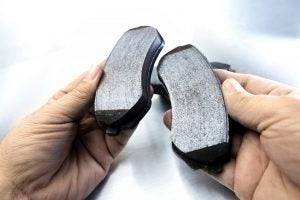
How Long Do Brake Pads Last? A Guide for Braking Basics

Did you know that there are nearly 6 million car accidents in the US every year? This results in almost 3 million injured people annually. Most of these accidents are caused by negligent drivers as well as poorly-maintained vehicles. For example, the brake pads are usually the first elements that get deteriorated and might cause a road accident. That's why many drivers wonder - how long do brake pads last? This is an important question because driving around with damaged brake pads is very dangerous. Keep reading to learn how many miles should brakes last and what are the signs of brake caliper deterioration. How Do Brake Pads Work? To understand why brake pads deteriorate, it's important to understand how they work first. When you apply the brakes on your car, an element called brake caliper applies pressure to the rotors. The rotors are attached to the front wheels of your car. When you step on the brake pedal, the brake calipers apply pressure on the rotors that prevent the wheels from spinning. This is how the braking process works. Over time, the brake pads get deteriorated due to friction and extreme temperatures. They will become less efficient and they need to be replaced, otherwise, your car might fail to stop in time and you'll be involved in an accident. How Long Do Brake Pads Last? On average, standard brake pads can last between 30,000 and 70,000 miles or from 3 to 7 years with normal wear and tear. The rule of thumb is that the more you drive, the quicker your brakes will deteriorate. However, many factors influence the lifespan of brake calipers and these include your driving style, road conditions, and more. Factors That Influence the Lifespan of Brake Pads If you want to make your brake pads last longer, you should know the factors that influence how much wear and tear they get over the years. Here are the most important ones: 1. Braking Too Violently This usually happens for people who are driving very fast. They tend to slam the brakes hard to stop in time at a red light or to let another car pass. Slamming the brakes puts too much pressure on the brake pads and that's how they can deteriorate fast. It's recommended to drive within speed limits, so you don't have to brake too violently when you want to stop the car. 2. Having A Foot on the Gas Pedal When Braking There are people out there who take their foot off the gas pedal and put it on the brake pedal to stop the car. This is the correct way to do it. Other people use their right foot for acceleration and the left foot for braking. As a result, the right foot will still be on the gas pedal for a few seconds when the brake pedal is pressed with the left foot. This might not seem like much but it can cause a lot of wear and tear on the brake pads in the long run. 3. Carrying Too Much Weight It's easier to stop a light car than a heavy car.  Therefore, the more weight you carry with you, the quicker your brake pads will deteriorate. It's fine if you need to transport people around, but take a look inside your car and see how you can remove unnecessary weight such as bottles of water, full bags of items, or heavy items from your trunk, etc. 4. Not Anticipating The Traffic Correctly Experienced drivers know how to read the traffic and drive carefully around town and on the highway. For example, there's no point in accelerating too much if you're going to stop at a red light in about 10 seconds. By having a smoother driving experience, the brake pads are not worn too much because the driver doesn't have to use them too often. You should also try to read the traffic ahead and make adjustments on time, so you don't have to apply the brakes violently. Tops Signs That Your Brake Pads Are Worn It's important to know a few signs that your brake pads need to be replaced. It's even more important not to ignore those signs. A car without functional brakes is dangerous for its passengers as well as the other traffic participants. Here are the most popular signs: 1. Your Vehicle Takes Longer to Stop You don't need to be an experienced driver to realize this. If you follow the same path from your home to work every day and you see that your car takes a few seconds longer to stop, chances are that the brake pads are worn out. In some cases, you might even feel a slight delay from the moment you press the brakes to the moment your vehicle begins stopping. 2. Your Car Changes Direction When You Brake If the car steers slightly to the left or right when you apply the brakes, this could be a sign that the brakes are unevenly worn out. You will see this better when you drive in a straight line. Make sure that you visit an auto repair shop soon to replace the brake calipers. 3. The Brake Pedal Vibrates When Pressed It's not normal for the brake pedal to vibrate when your car slows down. At the same time, it's not normal for your car to make weird sounds when you apply the brakes. These are usually signs that the brake pads are seriously deteriorated and they need to be replaced. Now You Know How Long Brake Pads Last Hopefully, this article provided a few good answers to your original question - how long do brake pads last? In theory, brake pads can last up to 70,000 miles, but whether you get that mileage or not depends on how you drive your car. As you already know, your vehicle's braking system is one of the most important elements when it comes to safety. Make sure that you schedule a brake inspection and repair service with our technicians to ensure that your brakes perform at optimal parameters! Our professionals are certified and have years of experience working with vehicles from all makes and models.

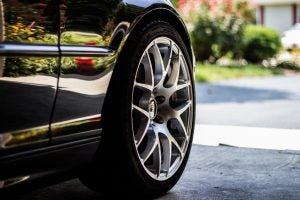
Tires for sale at Homer Skelton Ford of Millington

Picking out Tires: Bridgestone vs Michelin vs Others

Every day around the world, there are over 3,000 people killed in car accidents. To avoid becoming part of this statistic, it’s essential for you to ensure every part of your car is as safe as possible. With so many brands to choose from, it can be difficult to know which are the safest brand for your vehicle. To help you decide between Bridgestone vs Michelin and other tire brands, we put together this article. Keep reading to learn more about some of the best tire brands and to find out how you can determine which to get. Safest Tire Brands These are a few of the tire brands we offer. They offer some of the overall safest tires for all types of vehicles so you can rest easy when choosing from this list. Bridgestone One of the largest tire manufacturers in the world, Bridgestone has its headquarters in Tokyo, Japan. Their U.S. headquarters are in Nashville, Tennessee. Although Bridgestone has tires for most applications, they are most well-known for their innovation of winter and snow tires. This makes them an excellent choice for these types of tires. Goodyear Goodyear was founded in 1898, making them only a few years younger than some of the first car manufacturers. Their center of operations can be found in Akron, Ohio, and sell the most tires throughout North America. They offer tires for numerous application types so you should be able to get whatever you need from Goodyear. Michelin Michelin's main headquarters are in Clermont-Ferrand, France, and it's North American headquarters are in Greenville, South Carolina. Since its founding in 1891, Michelin has been a pioneer in the tire industry and is noted for creating the first radial tires. Continental Despite not quite making it to the top three highest-selling tire companies, Continental is still considered one of the best and offers a wide range of both original and replacement tire options. You can find its main headquarters in Hanover, Germany, and its United States headquarters in Lancaster County, South Carolina. Firestone Firestone was originally founded in 1900 and was one of the primary suppliers of tires for Ford vehicles for many years because its founder Harvey Samuel Firestone was close friends with Henry Ford. Although it has since been sold to Bridgestone, Firestone continues to sell a variety of tires in the United States and beyond. Pirelli Although Pirelli is headquartered in Milan, Italy, it has a manufacturing plant in Rome, Georgia. These tires are famous for being used in sports cars and other luxury vehicles. Pirelli tires remain more popular in Europe than in the United States. They focus on high-end vehicle tires but you can still find replacement tires for family cars, SUVs, and light trucks. Toyo Another Japanese company, Toyo has its main headquarters in Itami, Hyogo, Japan. However, you can find its factory in Bartow County, Georgia. Toyo has only been marketing their tires in the United States since 1966, the company was actually founded in 1945. It may not be as old as some of the other companies on our list, but still offers tires for every type of vehicle. Other Tire Brands to Consider If you're not sure you want to go with one of those brands, here are a few other quality brand name tire companies we work with: Dunlop BF Goodrich Kelly Tires Hankook Uniroyal Nitto General Tire Falken Yokohama We selected these brands because the tires they offer work well on Ford cars and trucks. Our customers deserve the best tires for their vehicle and we aim to provide that by only working with the best possible tire companies. Bridgestone vs Michelin: How to Decide Which Brand is Right for You By now you may be wondering how to choose between all of these tire brands. Fortunately, it's easier than you may think. There are only three things you really need to think about. Type of Tire Before you can decide on a brand, you'll need to know what type of tire you need. Some examples of different types of tires include: All-season Performance Touring All-terrain Winter Once you know what type of tire is best for you and your vehicle, you can check to ensure that the brand you're looking at has this type of tire. Most brands will have all of the most popular types of tires, but if you're looking for a specialty tire, then you may have to check with several brands to find it. Track Record for Excellence As you can see, some of these brands go back a number of years. This is a good sign because it means they've been providing high-quality tires for their customers for a long time. While there may not be anything wrong with a newer company, it's still a good idea to check to make sure a brand has a history of excellence. Typically if a company has been around for twenty years or more, they're here to stay and you can trust them. Fair Prices The last thing you want to think about is whether or not the brand has fair prices on their tires. Tires are an investment and going with the cheapest option may not help you in the long run. However, you do want to make sure the brand is offering you a fair price for what you're getting. A good way to determine this is to compare it to similar tires by other brands and check user reviews to make sure they're going to be worth what you're paying. Ready to Get New Tires for Your Ford Vehicle? Now you know what some of the safest tire brands are. You also know how to decide between Bridgestone vs Michelin vs other types of tires. With so many options, you’re sure to find the perfect one for your vehicle. If you're ready to get new tires for your Ford, contact us today. We'd love to help you make your final decision and ensure you get the best tires for your situation.

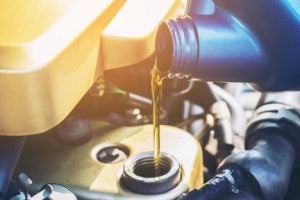
Why Are Oil Changes Important? Learn the Benefits and Why You Won't Want to Miss Out

Why are oil changes important? The cost of replacing an engine starts at around $4,000 and goes up from there depending on your vehicle. If you aren't regularly changing your oil, replacing an engine is just one of the problems you could face. And since oil changes are significantly cheaper and easier than replacing an engine, it makes sense to do them. Keep reading as we dig deeper into the importance of oil changes and what they do for your vehicle. Why Are Oil Changes Important? To understand why oil changes are so important, we have to look at what they do for your vehicle. There are two main purposes of engine oil. Lubricates Engine The most important role engine oil has is lubrication. Your engine has moving parts that create heat and friction. When these parts are lubricated, it greatly reduces the amount of friction and, therefore, heat that is generated. A well-lubricated engine runs more smoothly and won't over-heat. This protects the components of your engine individually and your engine as a whole. An engine running without oil will wear out quickly which could leave you needing to replace the entire thing. Cleans Engine Another danger to engine components is dirt. When dirt particles get into your engine, they can corrode parts and increase friction and heat. That's why the second role of oil is to keep dirt out of these parts. As engine oil circulates through your engine, it naturally picks up dirt particles and anything else that shouldn't be in your engine. That's what causes oil to go from a light amber color to black over time. To get the dirt completely out of your engine, you have to change your oil. This also prevents oil from breaking down into what's known as "sludge." Sludge can also damage your engine if left in for a long period of time. Benefits of Getting an Oil Change Now let's get into some of the many benefits of getting an oil change. Save Money The biggest advantage of changing your car's oil on time is that you'll save money. As we mentioned before, replacing your engine costs thousands of dollars. Compared to the hundreds you'll spend on oil changes over a few years,… they more than pay for themselves. Get Better Gas Mileage When your engine is running as smoothly as possible with new oil, it takes less gas to keep it running. This means you don't have to fill your tank as often and you can save money on gas, too. Although you won't save enough on gas to notice a difference, the savings add up over time and this is just one of many benefits of getting regular oil changes. Increase Vehicle's Lifespan As you can imagine, when your engine is running smoothly, the individual parts and engine as a whole will both last longer. You then allow your vehicle to run for far longer than it would if you never changed the oil. Once again, this shows that small investments in oil changes will help you save tons of money in the long run. In this case, it allows you to put off purchasing a new car until you're ready. Maintain Your Warranty If your car breaks down while under the manufacturer's warranty, you can get it fixed for free, provided you have upheld your end of the bargain. Otherwise, you'll be fully responsible for repair costs. When you get a warranty for your vehicle, be sure to read it over carefully to see what you have to do. In many cases, you will be expected to perform regular maintenance on your vehicle which includes oil changes. Have a Checkup for Your Vehicle How often does your vehicle get carefully checked over? In many cases, there are early warning signs that something needs to be done that you can miss because you're simply not paying close attention to your car. Although you should be doing this when doing your own oil changes and certainly can, if you don't know much about vehicle maintenance, you should take your car to a professional for an oil change. When you take your car to a professional, they will give your car a full checkup so they can catch a small issue before it becomes a huge problem. You may also end up saving money on your oil change by going to a dealership. How to Know When Your Car Needs an Oil Change You need to make sure you change your oil every six months or every 7,500 miles, whichever comes first. This rule applies to Ford vehicles from 2008 and beyond. If your car was made before 2008, then you should plan on changing the oil every 5,000 miles or every six months. However, there are some indications that your oil needs to be changed sooner than that. These include: Check oil or check engine light lit up on your dashboard Loud engine or knocking sounds coming from the engine Engine over-heating Smoke coming from the exhaust pipe The smell of burning oil inside your car while driving Whenever you encounter one of these, immediately check your oil to see if it's dirty. Checking Your Oil To check your oil, open your hood while the engine is cool. A hot engine could spew hot oil at you, so always do this after the car has been sitting for at least a few minutes. Wait even longer if your engine has been over-heating. Remove the dipstick, wipe it clean, and insert it back into its spot. Then, carefully remove it again and look closely at the oil. Engine oil should be transparent enough that you can see the dipstick through it. If you can't, it's time to get an oil change. If the oil appears light enough, then you'll want to make sure there's enough oil in your engine. Need a Professional Oil Change? Now you know the answer to the question, "Why are oil changes important?" You can also see there are many benefits and that it's easy to know when it's time to take your vehicle in for one. Having your oil changed by a professional has numerous benefits. To reap them, contact us today. We would be more than happy to change your car's oil and ensure it's in good working condition.

Contact Us

Fill out this form below and we'll contact you shortly
*Required Fields