
Homer Skelton Ford of Millington

Blog / Homer Skelton Millington Ford Service

Everything You Need for a Safe Ride: Taking Advantage of The Ford Pass App

You drive off the lot in your brand new car, enjoying the smell of the new interior and how shiny everything looks. Showing it off to friends and family used to mean letting them play with the radio, putting the auto parallel parking on display, or turning on the heated steering wheel. But if you are driving home a new Ford this year, you will want to show off your phone as much as the actual car. Welcome to a new world where your cell phone and your car are best friends. With the FordPass app, every part of your car ownership experience is just a touch away. Introducing the FordPass Phone App There are car-related mobile phone apps for everything from finding your car to maintenance reminders. The FordPass app brings all those and more into one app for your convenience while allowing you to earn complimentary maintenance with Ford Pass points. The app is available for free download in the App Store for the iPhone and the Google Play store for Android. You can also use it with your Apple Watch. Once you have downloaded the app to your mobile phone, your Ford Pass login will be the same as your owner's account login. If you don’t have one, you can set it up in the app at this time. You enter your vehicle information with the VIN and click activate. Having the app on your cell phone means help is never far away when you need it. And if what you need help with is the FordPass app itself, you can get one-on-one help from the FordGuide team at any time. They are available by phone or live chat. Features of the FordPass App You will get so much more from your car and the experience thanks to the FordPass app. Connectivity with your mobile phone makes so many things possible in one easy location. Enjoy unprecedented control, easy rewards, and vehicle information that you can get to quickly. Take Remote Control of Your Car When you are ready to show off to your friends, you definitely want to start with the remote control tools. You won't be able to actually drive the car with your phone like James Bond did in Tomorrow Never Dies, but they have the same cool factor. With FordPass, you can manage your vehicle through the app, the FordPass Alexa skill, or Google Assistant with FordPass Connect. Use the app to start and turn off the car, or even schedule to have the car crank up at a certain time to get warm for you in the morning. Through your cell phone, you will be able to lock and unlock the doors and even turn on the hazard lights when needed. Keeping track of routine maintenance becomes a breeze as you can get vehicle health alerts and set up service reminders. The app even checks your fuel and fluid level so you won't get stranded without gas. Did you know on average, we spend 25 minutes roaming parking lots looking for our vehicles because we have forgotten where we parked? That adds up to almost three days a year. That makes one of the best features the simplest. The app drops an automatic map pin for your car’s location anytime you turn it off. No matter how rushed you were when you left the car, the FordPass app will help you find it again. Information About the Vehicle The FordPass app packs a lot of information about your new vehicle into your pocket. No need to go digging through the glove box to find receipts or dates for your previous service anymore. All of this is kept right in the app on your mobile phone. Within the app, there is actually a section called Glove Box. As you might guess, that is where you can find warranty info, your owner’s manual, and alert guides. You will be able to pull up a full maintenance schedule, which shows recommended services and at what mileage they should happen. The app stores past service visits for later reference, and you can add services manually if you don’t schedule them through the app. The vehicle details area keeps information updated in real-time through the FordPass Connect embedded modem, including oil life, tire pressure, current mileage, fuel levels, and current location. You can also store the license plate and VINs for each of your vehicles. There are even videos covering the features of your vehicle that you can check out to learn more about the car. This is helpful when you are trying to program the Bluetooth connection or run the DVD player. Information About Your Location The app also provides information on things outside your car. One of the nicest features is the ability to find and pay for parking before you arrive somewhere, like at a concert venue or stadium parking garage. You can even compare prices and locations to find and reserve the best spot for your needs. Finding a gas station while on a road trip or just in a new part of town becomes easier as well. Not to mention safer as you no longer have to drive aimlessly and hope you find a station. The app helps you find the best prices around you, and can filter by fuel type if you need diesel or a particular grade of gasoline. Finally, if you purchased your new Ford using Ford Credit, the app lets you track your loan and make payments. You can also contact a credit representative if you have questions about your account. Help When You Need It Should you ever need it, you can request roadside assistance at any time by contacting the FordGuide team through the app. The team can take care of you if you need help changing a flat tire, run out of gas, or need a tow, for example. Roadside assistance is included with certain models and available to everyone for a charge for use. The service is there 24/7 for all Ford owners. Get Rewarded for Service When you activate the FordPass app, you are automatically enrolled in FordPass Rewards. With Ford Pass Rewards, you can earn and redeem points toward service, maintenance, or new vehicle purchase. Members earn ten points per $1 spent on eligible purchases at the dealership. To get the most out of this program, you will want to set your preferred Ford dealership in the app where you can find their contact information, hours, and directions. From the dealer information, you can schedule service right in the app. When you schedule and get service this way, you will receive rewards points. You watch them accumulate and see when and how you spend them. You get 42,000 FordPass Reward points to get you started with your new vehicle purchase or lease. These can be used toward your first three routine service visits or saved for a later service need. Diesel owners start with 75,000 points while buying a used car gets you 22,000 points. While the app makes it easier, you do not have to use FordPass to take advantage of the rewards program, just a Ford or Lincoln owner account. What Powers the FordPass App Beginning with 2021, all new Ford vehicles will be equipped with FordPass Connect. The embedded modem makes Ford the only non-luxury automaker able to offer complimentary remote features. While any driver can use the FordPass app to earn rewards, your car needs the Connect feature to be able to use the remote features mentioned in this article. Service is provided through the AT&T network. The modem made its first appearance in the 2017 model year in the Ford Escape Titanium, some Ford F-150 models, and the Ford Fusion Platinum. The list expanded to include the Ford Escape, Ford Mustang, Ford Explorer, and others with the 2019 model year. If you aren’t sure if your car has the FordPass Connect embedded modem, you can check here to see if your vehicle is listed. Try the FordPass App for Yourself Thanks to the FordPass App, owning a Ford becomes far less stressful thanks to its information tracking and remote options. Plus the ability to build up those reward points toward future maintenance, parts, or your next car. When it’s time for you to buy a new car, come see us to test drive the FordPass app along with the newest models on the lot. You can schedule your test drive right from our website. Pick the vehicle you want to try, a date and time, and we will have everything ready for you.  
Posted in:

Related Posts

2022 Ford Maverick

Overview of the 2022 Ford Maverick: Specs, Stats, and What to Expect

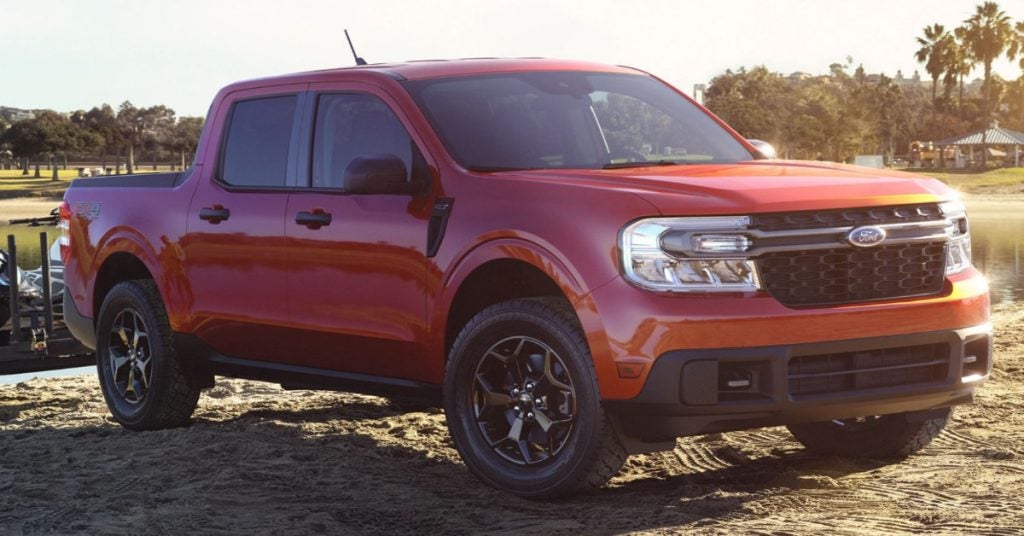
Ford has been making trucks since 1917 and their pickups remain one of the top vehicle choices today. Now the 2022 Ford Maverick is changing the pickup game by making the dream of truck ownership more attainable for everyone. If you're interested in Ford's newest pickup, continue reading for the 2022 Ford Maverick specs and what makes it a top player in today's truck market. Overview The 2022 Ford Maverick isn't a revival of the compact car from the 1970s, but rather a new truck on the scene. The Maverick is a compact hybrid pickup truck developed to rival Ford competitors rolling out small pickups. The Ford Maverick manages to bring style, practicality, and function to the table. Folks trust a Ford to be "built Ford tough". Though the Maverick is smaller than other Ford counterparts, it holds its own with everything you'd expect from the Ford name. A New Look As America's first standard hybrid pickup truck, the Ford Maverick has a smaller size and look that appeals to more than your average truck owner. This compact truck has a sleek design without losing the masculine boxy shape trucks are known for. The Maverick is a four-door truck with curved features at the nose, stacked headlights, a rectangular grille, and black base trim. This truck comes in smaller than its predecessor in compact lightweight pickups, the Ford Ranger. Ford Maverick Price If you've been dreaming of a truck of your own, but the price has held you back, buying a Ford Maverick is an option that won't break the bank. The base model starts at $19,995, but you'll pay more if you opt for a different model or upgraded features. The average truck in 2020 was over $38,000 so even if you opt for bells and whistles, you can't beat the Ford Maverick's price. Model Options The 2022 Ford Maverick is available in three levels of trim. Each model has the same standard Hybrid powertrain, cab size, and bed length. Maverick XL The Maverick XL is the base option with the standard hybrid Maverick powertrain and FWD. Despite being the base, you still won't find yourself lacking in features. This affordable truck comes with an eight-inch touch screen, Apple CarPlay, Android Auto, and forward-collision warning. Maverick XLT With all the same features as the XL, the Maverick XLT takes it up a notch. The XLT features a high-quality interior, 17-inch aluminum wheels, and a bed storage cubby. For added luxury, the XLT upgrades include heated seats, LED lights, and Bedliner. Maverick Lariat If you want all the bells and whistles, the Lariat is it. The Lariat boasts all the features with 18-inch wheels, push start, vinyl seating, adjustable driver seat, LED headlamps, and temperature control. The Lariat's luxury package includes added safety features, a wireless charging pad, and an eight-speaker stereo. Performance The Maverick's performance is well-suited for everyday driving. It's easily maneuverable, accelerates smoothly with the turbocharged 2.5-liter engine, brakes responsively, and provides sturdy suspension to handle imperfections in the road. Under The Hood It's what's on the inside that counts when it comes to a vehicle's overall performance. Under the hood of the Ford Maverick base model you'll find: Standard 2.5L Hybrid (FWD) Engine 191 Horsepower Four-Cylinder Continuously Variable Transmission Upgrades available are a 250 horsepower turbocharged 2.0-liter four-cylinder engine. This option is available in either front-wheel or all-wheel drive and has an eight-speed auto transmission. Interior The Ford Maverick has a roomy back seat with ample space for up to five passengers. The base model comes equipped with cloth bucket seats, a rotary gear shift, lumbar support in the front seats, a 4.2-inch instrument cluster screen, and storage bins throughout the cabin. Other models offer climate control, a 6.5-inch instrument cluster screen, and a leather-wrapped steering wheel. The color options for the seats in these models are navy or slate with orange accents, and desert brown. Standout 2022 Ford Maverick Specs Several features allow the Ford Maverick to stand out against other Ford pickups and Ford competitors. These specs draw in a new wave of truck owners while holding to those features lifelong pickup users value. Size With a length of 199.7 inches, the Ford Maverick is the smallest pickup truck on the market. The smaller size makes it more convenient to own trucks in the city and has the perks of an F150 without taking up all the driveways space. Gas Mileage Great gas mileage isn't always what you think of when shopping for a truck, but the Ford Maverick averages 40 MPG. The affordable price tag with the practical gas mileage makes the Maverick easier on the wallet than comparable pickups. Towing Capacity Though the Ford Maverick is small, it is still mighty. This truck has a 1500 pound standard payload capacity and a 2000 pound base towing capacity. With the eco-boost tow package, the towing capacity increases to 4000 pounds. FLEXBED™ The Ford Maverick features FLEXBED™, one of the most innovative truck beds created by Ford. The FLEXBED™ is a multifunctional cargo space that allows easy transporting and storage, no matter the project. The FLEXBED™ features two 12 volt outlets, low bed sides, storage pockets four threaded bed holes, eight bed tie-downs, and a tailgate bottle opener. Discover the New 2022 Ford Maverick Whether you're from the city or country, it only takes one look at the 2022 Ford Maverick specs to know that it's a pickup for everyone. With a maneuverable compact size, a 2.5L hybrid engine, excellent gas mileage, affordable price, and a mighty towing capacity, the Maverick is a new breed of truck. If you'd like to see for yourself, stop by Homer Skelton Millington Ford for a test drive. Not sure if that's what you're looking for? Contact us today to help you find your next vehicle.

preventative maintenance at Homer Skelton Ford of Millington

Preventative Car Maintenance: Why It Matters and What You Need to Do

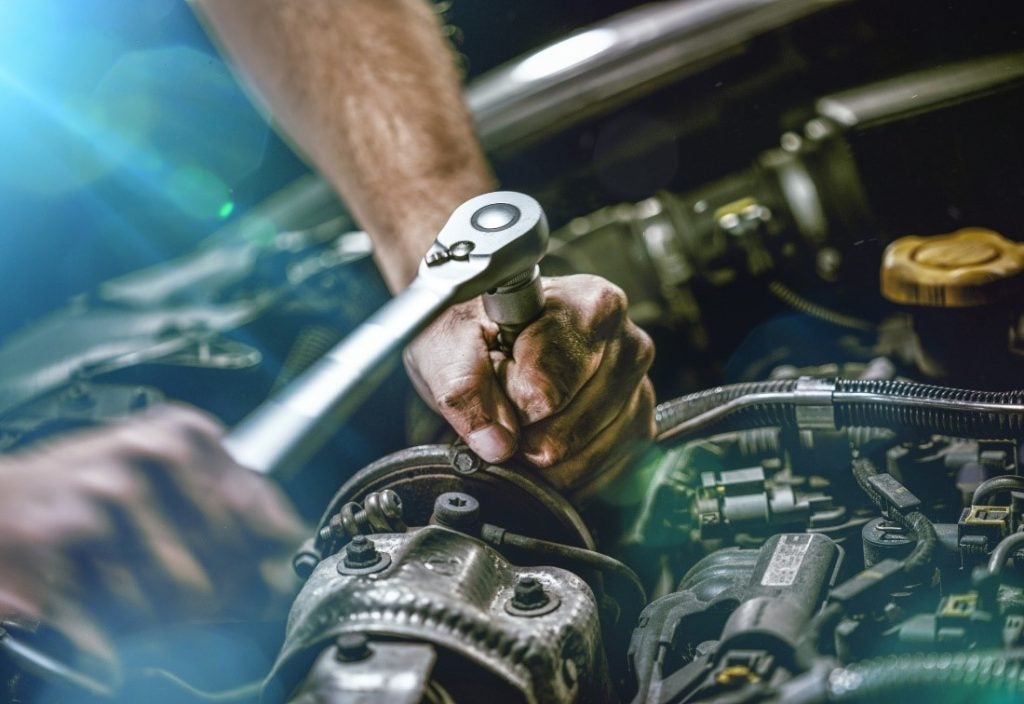
The average American spent an increased 12% of their time in their car per week year-over-year. We now spend almost 11 hours driving every week. With all that time behind the wheel, you'll want to make sure your car is working properly. Otherwise, issues could lead to a car accident or expensive repairs. Instead, you can use preventative car maintenance to extend your car's lifespan. Not sure where to start? Here are the nine preventative maintenance tips you need to keep your car in the best possible shape. The next time you have a long drive ahead, you'll have peace of mind that your car is safe to drive. Avoid breaking down, stress, and costly repairs. Keep your car running smoothly with these easy tips today! Why It Matters It's not enough to keep your car in the best possible shape. It's also important to know why prioritizing your car maintenance is essential. Otherwise, you might see every car maintenance cost as a burden. You could skip essential repairs that are necessary to keep your car in the best possible condition. Convenience How often do you get behind the wheel? How far does your car carry you during any given drive? You're probably not the only person in your household who depends on your car. If you have kids, you'll need to get them to school or extracurricular functions. There are also doctor's appointments, dentist appointments, and other events to consider. How often do you go grocery shopping? What if there's an emergency and you need to get behind the wheel right away? Think about your commute to work, too. About 88% of people above the age of 15 are drivers. Over 90% of Americans rely on their personal cars to get to work. If your car breaks down unexpectedly, it could make life difficult. Save Money Your car is also a lifetime investment. You don't want the money you put into your car to go to waste if it breaks down. By maintaining a regular car maintenance schedule, you can get the most out of your investment without worry. It's cheaper to make small repairs on a schedule than to make huge, expensive repairs (like a new engine). With regular maintenance checks, you can avoid future repairs and save money in the process! Improved Fuel Mileage When was the last time you changed your motor oil or air filters? Neglecting your car could impact your car's gas mileage. Over time, your car's engine will experience wear and tear, too. Scheduling a routine oil change every 3,000 miles and full suspension maintenance every 15,000 can ensure your car is working properly. By improving your car's optimal fuel efficiency, you're saving money! Now that you understand why preventative car maintenance is essential, let's discuss a few ways you can extend your car's lifespan. Easy Maintenance Tips Don't wait until your car breaks down. Instead, take your car to a professional to make sure everything is in working order on a schedule. Here are a few easy maintenance checks you can request regularly to ensure your ride is running smoothly. Power On Have you ever left your lights on overnight, only for your car to refuse to turn on in the morning? Maybe an old battery let you down. Either way, you're not alone. Over 40% of car owners have reported battery failure year-over-year. Consider getting your battery replaced every 5 years. After all, you don't want to find yourself stranded on a dark light without a working battery. Make sure to check your lights as well. It's difficult enough to navigate in the dark. What if you're on a winding road or a storm hits? You'll want to make sure every light bulb is working properly. Have someone help you check your brake lights as well. Otherwise, inoperable lights could lead to an accident. You could get a ticket as well. Oil Change Changing your oil regularly will ensure your engine is working in the best possible condition. You might need to get your oil changed more often if you drive more often, though. Before changing the oil on your own, drain the fluid. Safely discard the old oil as well. If you decide to change the oil alone, make sure to determine what type of motor oil your car needs. You'll also need to look at your car's mileage before choosing between synthetic and non-synthetic oil. Review the oil's viscosity as well. Otherwise, using the wrong oil for your car can have dangerous consequences. Add changing your oil to your car maintenance schedule every 10,000 miles. Otherwise, check your car's manual. Breathe In Remember, a dirty engine air filter can cause damage to your car's engine. When the filter is dirty, tiny particles can reach your engine, causing damage. Your car's efficiency levels could drop as a result. Take the time to check your engine air filter at least once a year. Otherwise, you might have to make expensive repairs to your engine down the road. Check the Pressure Your car's tires experience wear and tear every time you hit the road. Neglecting your car's tire pressure can have a negative effect on your gas mileage. To keep your tires on track, you'll need to make sure your tire pressure is at the recommended level. You can check your car manual to determine the proper PSI. Have you ever hit the road, only to end up with a flat tire before reaching your destination? A flat could cause an accident, causing you to veer off. Thankfully, you can use preventative maintenance to avoid a blowout. First, make sure to check your tire pressure on schedule. Next, look for tire recalls and sure you have the best tires for your vehicle. Otherwise, make sure to rotate your tires every 10,000 miles. Rotating your tires will keep their wear and tear even. Check the Fluids Reviewing your fluid levels is an important step in your preventative maintenance car check as well. When the fluids aren't at the right levels, it could impact your car's functionality and efficiency. Your car might not drive properly, either. These fluids include your: Coolant Engine oil Brake fluid Power steering fluid Transmission fluid Is something leaking from your car? Take it to a professional right away. Belts and Hoses Out of sight, out of mind, right? Unfortunately, many of your car's parts are out of sight. You might not realize your car needs repairs if you fail to schedule regular maintenance. For example, when was the last time you looked at your car's belts and hoses? Belts wear down over time. If yours is worn, it's important to have a belt replaced right away. Certain systems could begin to fail while you're on the road otherwise. Having the belts and hoses replaced when needed can help you avoid breaking down on the side of the road. Wiper Replacements Do you live in an area that's prone to heavy storms? You never know when one might hit. If your windshield wipers aren't working properly, you could feel blind on the road. Check your windshield wipers regularly to make sure they're functioning properly. If a big storm is about to roll in, check them again (especially during hurricane season). You never know when you might need to evacuate. Otherwise, heavy rain or a snowstorm could impact your visibility on the road. You could get into an accident, which could lead to costly repairs. Wash Up When was the last time you spoiled your car with a thorough clean? You might not realize it, but washing your car is an important maintenance service, too. Over time, your car comes into contact with tree sap, pollen, bugs, and other elements. Whether it's on the road or sitting in your driveway, these elements can cause damage. Your undercarriage and paint could suffer. Don't let the weather outside impact the state and value of your car. Instead, make it part of your routine to wash your car regularly. Washing your car will make sure it's always looking its best. Better yet, it can help you avoid long-term damage as well. Check the Brakes Pay attention to the sounds your car makes during a drive. If it's shuddering and vibrating or your brake pedal feels strange beneath your foot, pull over right away. You might want to have an expert check your car as soon as possible. It's important to make sure your brakes are working properly every time you're on the road. Schedule your brake pads checked during your oil level checks. These tips will give you peace of mind each time you're on the road. Keep Driving Forward: 9 Tips for Ongoing Preventative Car Maintenance Don't hit the road in a worn-out vehicle. Instead, use these ongoing preventative car maintenance tips to make sure your car is in its best shape. With these tips, you can feel safe each time you hit the road. You'll end up extending your car's lifespan, too! Want to keep your car functioning at its best? We can help. Schedule a service with our team today!

Preventative Car Maintenance: Why It Matters and What You Need to Do

The average American spent an increased 12% of their time in their car per week year-over-year. We now spend almost 11 hours driving every week. With all that time behind the wheel, you'll want to make sure your car is working properly. Otherwise, issues could lead to a car accident or expensive repairs. Instead, you can use preventative car maintenance to extend your car's lifespan. Not sure where to start? Here are the nine preventative maintenance tips you need to keep your car in the best possible shape. The next time you have a long drive ahead, you'll have peace of mind that your car is safe to drive. Avoid breaking down, stress, and costly repairs. Keep your car running smoothly with these easy tips today! Why It Matters It's not enough to keep your car in the best possible shape. It's also important to know why prioritizing your car maintenance is essential. Otherwise, you might see every car maintenance cost as a burden. You could skip essential repairs that are necessary to keep your car in the best possible condition. Convenience How often do you get behind the wheel? How far does your car carry you during any given drive? You're probably not the only person in your household who depends on your car. If you have kids, you'll need to get them to school or extracurricular functions. There are also doctor's appointments, dentist appointments, and other events to consider. How often do you go grocery shopping? What if there's an emergency and you need to get behind the wheel right away? Think about your commute to work, too. About 88% of people above the age of 15 are drivers. Over 90% of Americans rely on their personal cars to get to work. If your car breaks down unexpectedly, it could make life difficult. Save Money Your car is also a lifetime investment. You don't want the money you put into your car to go to waste if it breaks down. By maintaining a regular car maintenance schedule, you can get the most out of your investment without worry. It's cheaper to make small repairs on a schedule than to make huge, expensive repairs (like a new engine). With regular maintenance checks, you can avoid future repairs and save money in the process! Improved Fuel Mileage When was the last time you changed your motor oil or air filters? Neglecting your car could impact your car's gas mileage. Over time, your car's engine will experience wear and tear, too. Scheduling a routine oil change every 3,000 miles and full suspension maintenance every 15,000 can ensure your car is working properly. By improving your car's optimal fuel efficiency, you're saving money! Now that you understand why preventative car maintenance is essential, let's discuss a few ways you can extend your car's lifespan. Easy Maintenance Tips Don't wait until your car breaks down. Instead, take your car to a professional to make sure everything is in working order on a schedule. Here are a few easy maintenance checks you can request regularly to ensure your ride is running smoothly. Power On Have you ever left your lights on overnight, only for your car to refuse to turn on in the morning? Maybe an old battery let you down. Either way, you're not alone. Over 40% of car owners have reported battery failure year-over-year. Consider getting your battery replaced every 5 years. After all, you don't want to find yourself stranded on a dark light without a working battery. Make sure to check your lights as well. It's difficult enough to navigate in the dark. What if you're on a winding road or a storm hits? You'll want to make sure every light bulb is working properly. Have someone help you check your brake lights as well. Otherwise, inoperable lights could lead to an accident. You could get a ticket as well. Oil Change Changing your oil regularly will ensure your engine is working in the best possible condition. You might need to get your oil changed more often if you drive more often, though. Before changing the oil on your own, drain the fluid. Safely discard the old oil as well. If you decide to change the oil alone, make sure to determine what type of motor oil your car needs. You'll also need to look at your car's mileage before choosing between synthetic and non-synthetic oil. Review the oil's viscosity as well. Otherwise, using the wrong oil for your car can have dangerous consequences. Add changing your oil to your car maintenance schedule every 10,000 miles. Otherwise, check your car's manual. Breathe In Remember, a dirty engine air filter can cause damage to your car's engine. When the filter is dirty, tiny particles can reach your engine, causing damage. Your car's efficiency levels could drop as a result. Take the time to check your engine air filter at least once a year. Otherwise, you might have to make expensive repairs to your engine down the road. Check the Pressure Your car's tires experience wear and tear every time you hit the road. Neglecting your car's tire pressure can have a negative effect on your gas mileage. To keep your tires on track, you'll need to make sure your tire pressure is at the recommended level. You can check your car manual to determine the proper PSI. Have you ever hit the road, only to end up with a flat tire before reaching your destination? A flat could cause an accident, causing you to veer off. Thankfully, you can use preventative maintenance to avoid a blowout. First, make sure to check your tire pressure on schedule. Next, look for tire recalls and sure you have the best tires for your vehicle. Otherwise, make sure to rotate your tires every 10,000 miles. Rotating your tires will keep their wear and tear even. Check the Fluids Reviewing your fluid levels is an important step in your preventative maintenance car check as well. When the fluids aren't at the right levels, it could impact your car's functionality and efficiency. Your car might not drive properly, either. These fluids include your: Coolant Engine oil Brake fluid Power steering fluid Transmission fluid Is something leaking from your car? Take it to a professional right away. Belts and Hoses Out of sight, out of mind, right? Unfortunately, many of your car's parts are out of sight. You might not realize your car needs repairs if you fail to schedule regular maintenance. For example, when was the last time you looked at your car's belts and hoses? Belts wear down over time. If yours is worn, it's important to have a belt replaced right away. Certain systems could begin to fail while you're on the road otherwise. Having the belts and hoses replaced when needed can help you avoid breaking down on the side of the road. Wiper Replacements Do you live in an area that's prone to heavy storms? You never know when one might hit. If your windshield wipers aren't working properly, you could feel blind on the road. Check your windshield wipers regularly to make sure they're functioning properly. If a big storm is about to roll in, check them again (especially during hurricane season). You never know when you might need to evacuate. Otherwise, heavy rain or a snowstorm could impact your visibility on the road. You could get into an accident, which could lead to costly repairs. Wash Up When was the last time you spoiled your car with a thorough clean? You might not realize it, but washing your car is an important maintenance service, too. Over time, your car comes into contact with tree sap, pollen, bugs, and other elements. Whether it's on the road or sitting in your driveway, these elements can cause damage. Your undercarriage and paint could suffer. Don't let the weather outside impact the state and value of your car. Instead, make it part of your routine to wash your car regularly. Washing your car will make sure it's always looking its best. Better yet, it can help you avoid long-term damage as well. Check the Brakes Pay attention to the sounds your car makes during a drive. If it's shuddering and vibrating or your brake pedal feels strange beneath your foot, pull over right away. You might want to have an expert check your car as soon as possible. It's important to make sure your brakes are working properly every time you're on the road. Schedule your brake pads checked during your oil level checks. These tips will give you peace of mind each time you're on the road. Keep Driving Forward: 9 Tips for Ongoing Preventative Car Maintenance Don't hit the road in a worn-out vehicle. Instead, use these ongoing preventative car maintenance tips to make sure your car is in its best shape. With these tips, you can feel safe each time you hit the road. You'll end up extending your car's lifespan, too! Want to keep your car functioning at its best? We can help. Schedule a service with our team today!